By Abdul Kiryowa
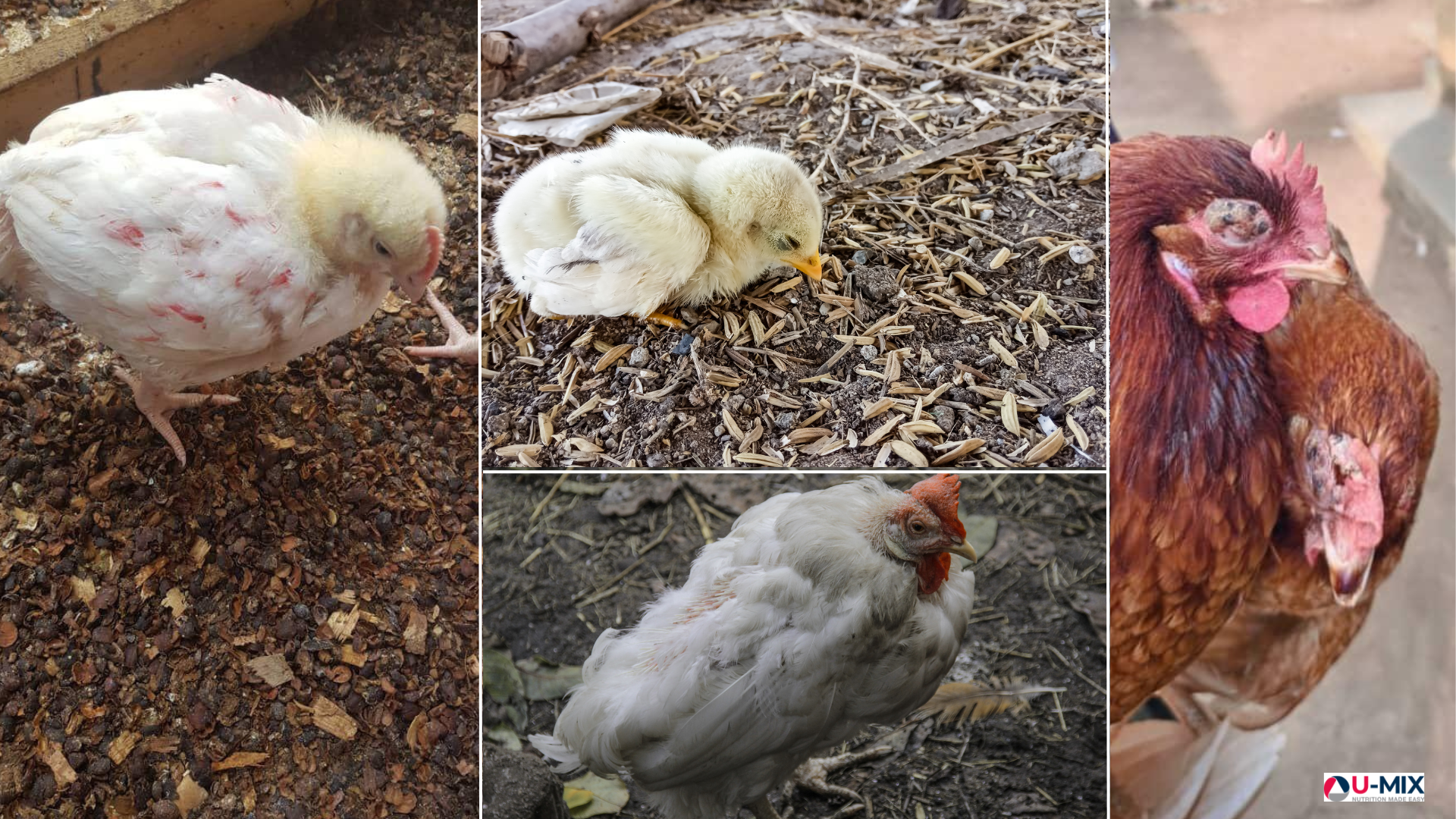
Keeping your chickens healthy is essential for any smallholder farmer. A single sick bird can result in disease spreading quickly through your house. Early detection is important, and it starts with noticing small changes. Early signs of illness can be easy to miss but catching them quickly can increase your recovery rate and minimise losses. Here’s what to watch for:
- Behaviour changes: Is your chicken appearing tired, not eating, or staying away from the others? These could be early warnings.
- Physical signs: Check for swelling, discharge from the dose, or a pale comb (the red part on their head). A chicken has bright and alert eyes when it is healthy. A chicken with dull eyes or eyes that are closed often might be sick. Ruffled feathers are also a clue.
- Breathing issues: Sneezing, coughing, or gasping for air can indicate a respiratory disease.
- Diarrhoea or Unusual Droppings: Watery, bloody, or green droppings can be a sign of illness.
If you notice any of these signs, act fast! Separate the sick chicken from the flock to stop the spread of disease. Keep them warm, hydrated, and comfortable. Call a vet for advice, and make sure to clean their coop, feeders, and drinkers thoroughly.
Healthy chickens are more profitable chickens. Remember that prevention is always better than cure. To prevent diseases on your farm, follow these steps:
• Always provide clean, quality water and feed.
• Practice good biosecurity on your farm.
• Source quality chicks that are vaccinated.
• Follow a vaccination program recommended by the hatchery or a local vet to protect your flock against common diseases. Do not vaccinate birds after your flock has shown signs of disease. Vaccines are a prevention, not a cure. Administering vaccines to sick chickens will increase the stress on the bird’s immune system and may not be effective in fighting the disease.
Should you detect diseases in within your flock, the sooner you can act, and receive help from a qualified veterinary adviser the better. Ensure that your flock is monitored closely and regularly to allow for early detection.