Written by Abdul Kiryowa
Litter and litter management are often underestimated aspects of poultry management. Good litter management is one of the keys to keeping your birds healthy and productive.
We understand that litter management is a difficult topic to find useful resources on, so we have combined a list of do’s and don’ts to guide your litter management practices on your farm.

The Do’s
- Keep it dry: Wet litter can cause health problems like footpad issues(swelling) and respiratory diseases. Spread it evenly and ensure proper ventilation to reduce moisture.
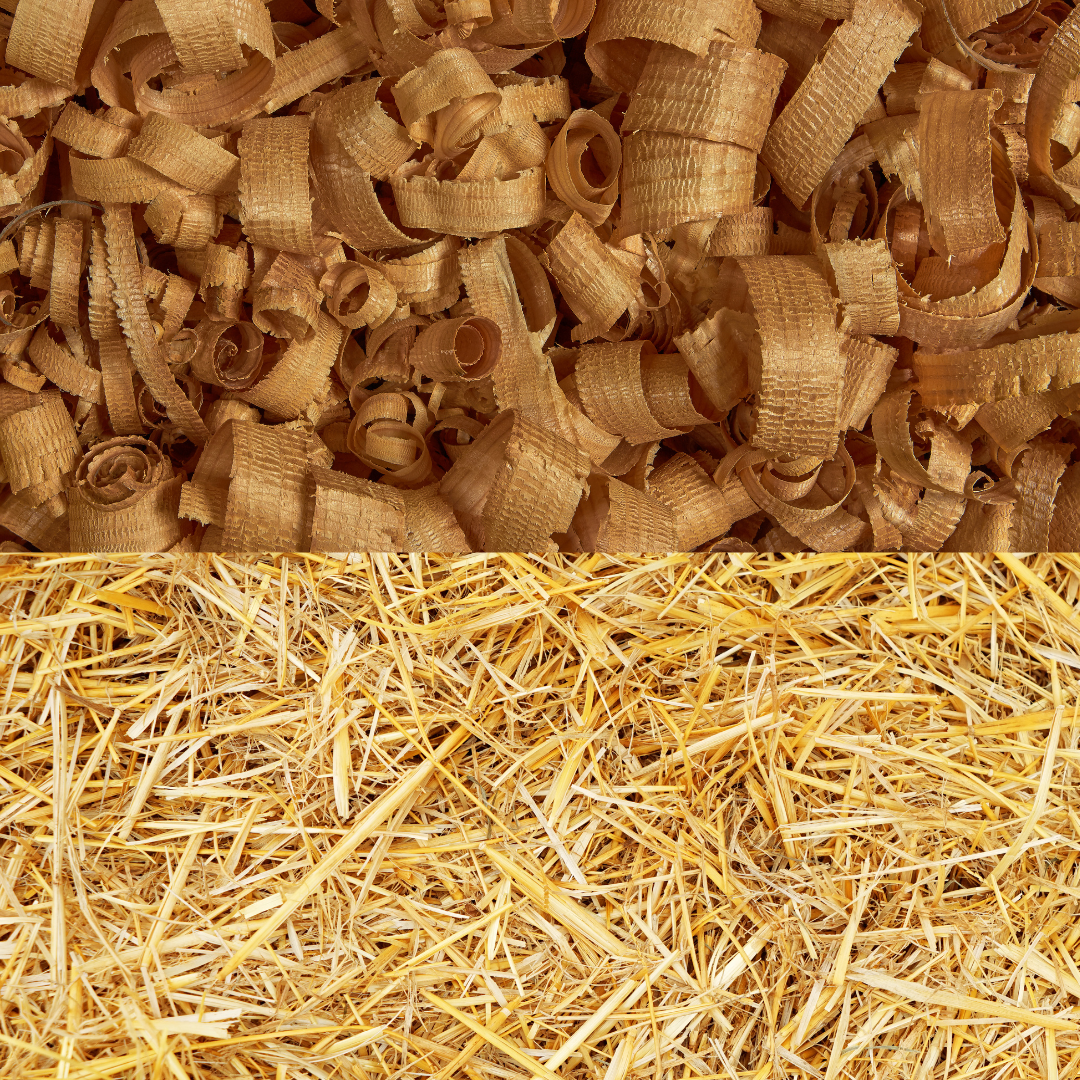
- Use quality material: Choose absorbent materials such as wood shavings. Absorbent material helps control moisture and odor. Ensure that your wood shavings don’t contain sawdust. Sawdust in litter can be inhaled by the birds which may result in respiratory problems. When selecting other materials ensure they are comfortable, absorbent, non-toxic, and show no signs of mold.
- Stir it regularly: Fluff the litter as frequently as required to prevent caking and improve airflow. In some cases, this might be as often as daily. This also helps distribute moisture evenly. A garden rake is the ideal tool to use to fluff the litter.
- Add fresh litter when needed: If the litter gets too wet or dirty, add a fresh layer to keep it clean and dry. You can completely change the litter if it becomes necessary. Ensure that the litter depth is a minimum of 5cm (2 inches) deep.
- Monitor ammonia levels: High ammonia can harm your birds. If you smell a pungent odor, then know ammonia is building up. Use products like lime or litter treatments to control it.
The Don’ts
- Don’t let it get too wet: Avoid spills from drinkers and clean and fix them immediately if they leak. Wet litter is a breeding ground for bacteria and parasites that can harm your birds.
- Do not overstock your house: Too many birds in a small space produce too much waste for that space, making it more challenging to manage the litter well. Stick to the recommended stocking density. Place 10-12 birds per 1m² for broilers depending on the final weight, 12-15 birds per m² for caged layer birds and 6-9 birds per m² for free range birds.
- Don’t ignore pests: Dirty litter attracts flies and rodents. Keep the house clean and treat pests regularly with pesticides that are safe to use near chickens. Get advice from your agro-supplier when purchasing your pest control products.
- Don’t reuse bad litter: If litter is too wet or contaminated, replace it entirely. Re-using it can spread diseases.
- Do not dispose of litter near your poultry house: Litter contains parasites and bacteria that can be easily transferred back to the birds. If disposal on the farm is necessary, use a covered composting pit to minimise contamination risks.
These simple steps will assist you in managing your litter on your farm.